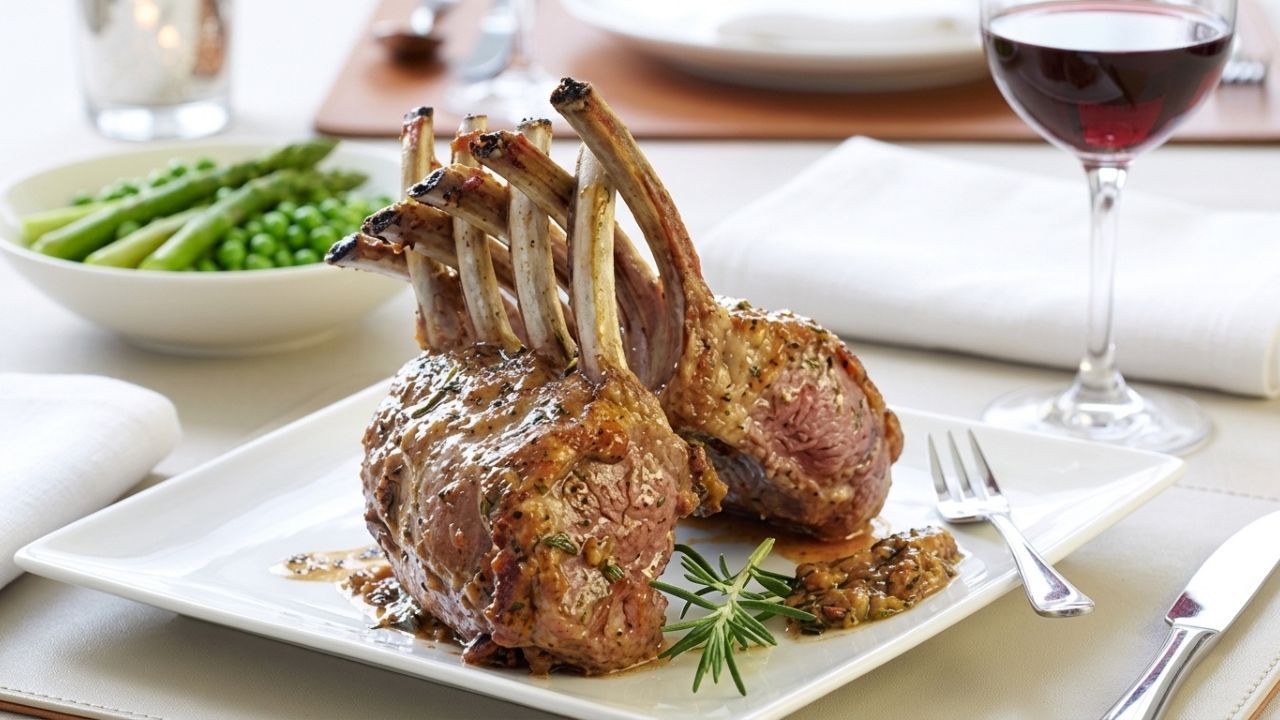
In this blog, we cover all about baby lamb meat. If you’ve ever stood at a butcher counter. looked at a restaurant menu, or scrolled through cooking sites. Food terminology can get a little confusing. You might ask, “What do we call lamb meat on the plate?” Is it different from mutton? Do some cultures call goat meat lamb, or are they completely separate?
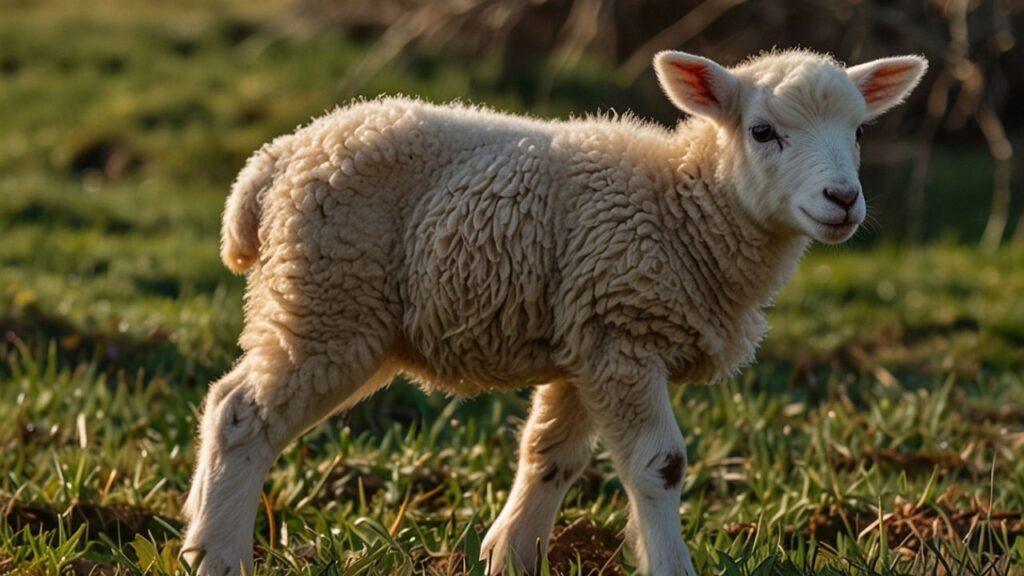
Let’s clear up the confusion, break down the exact names for these meats, and cover everything from ages to the best cooking cuts.
Is Lamb Meat Baby Sheep?
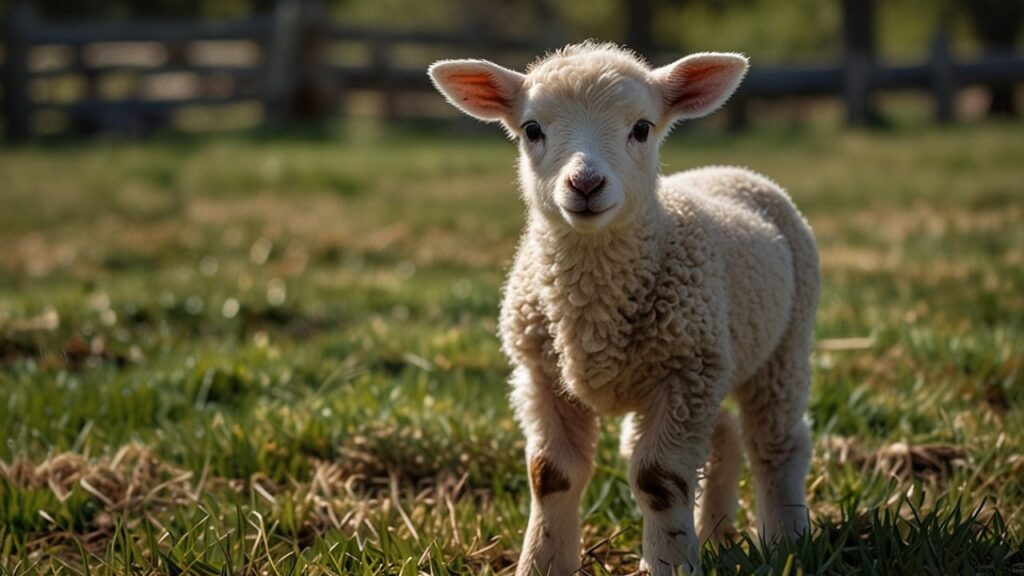
Yes, it is lamb meat, baby sheep.
In the culinary world, meat from a young sheep under one year old is called lamb. Which features incredibly tender meat and a milder flavor compared to older sheep. However, “lamb” actually breaks down into more specific categories. It is based on the animal’s exact age:
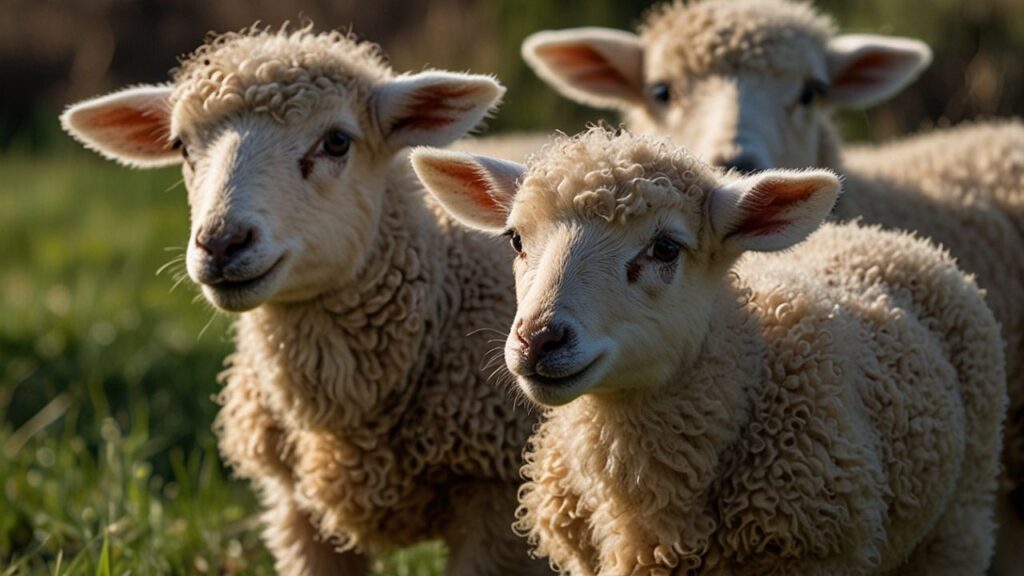
- Baby Lamb (Milk-fed): The meat of sheep aged 6 to 10 weeks is specifically called baby lamb. It yields extremely small, delicate, and tender cuts (like loin chops) with a very mild, non-gamey flavor because the animal has only fed on milk.
- Spring Lamb: Usually 5–6 months old. Born in late winter or early spring, this meat is highly prized for its tenderness and slightly more developed flavor.
- Regular Lamb: Up to 1 year old. This is the most common category in supermarkets, offering a perfect balance of tenderness and robust flavor.
- Hogget: Meat from animals aged one to two years is called hogget. It has a deeper flavor than lamb but is more tender than adult sheep.
- Mutton: Adult sheep meat is mutton (2+ years old). The meat is darker, firmer, and has a strong, gamey flavor.
This raises a common ethical question for many consumers. Do they kill baby sheep for lamb? Yes, because the meat of a young sheep is highly sought after for its unmatched tenderness. As a sheep gets older, the meat requires slow-cooking methods to become tender. Which is why sheep meat, called lamb, is much more popular in modern grocery stores.
Cooking Baby Lamb: Time, Temperature, & Recipe
Now I will explain the importance of time, temperature, and recipe. Because baby lamb meat is so exceptionally tender and delicate, you do not want to overcook it or drown it in heavy, overpowering sauces. French recipes often call for shorter cooking times, yielding rare or pinkish meat.
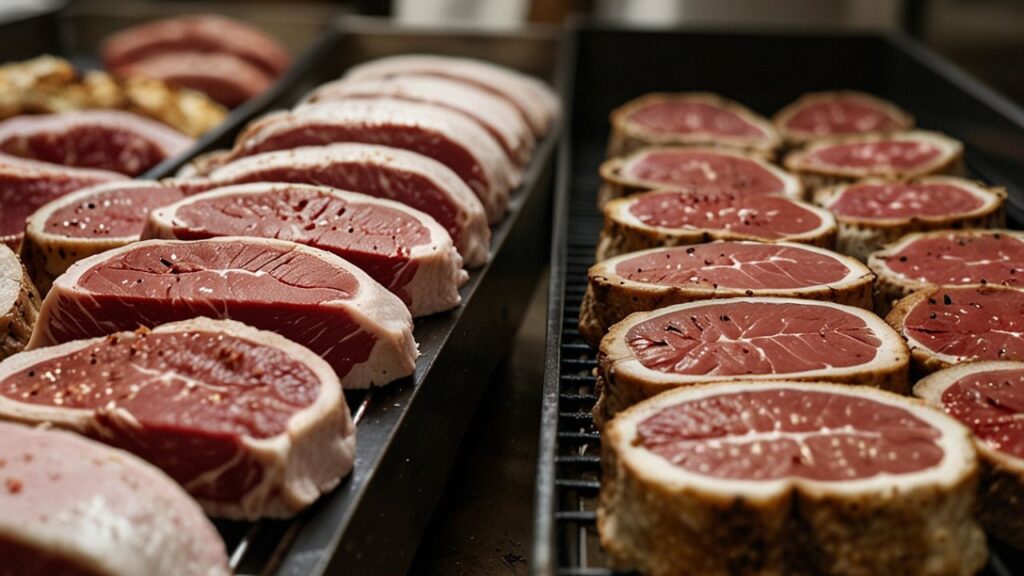
Here is a foolproof recipe for the most popular cut of baby lamb: Garlic & Rosemary Baby Lamb Chops.
Essential Ingredients
- 8 baby lamb loin chops (or rib chops)
- 3 tablespoons of high-quality olive oil
- 4 cloves of garlic (minced)
- 2 tablespoons of fresh rosemary (finely chopped)
- 1 teaspoon of sea salt
- 1/2 teaspoon of freshly cracked black pepper
- 1 tablespoon of fresh lemon juice (optional, for a bright finish)
Cooking Time and Temperature Guide
Unlike tough mutton which requires hours of slow-cooking, baby lamb chops cook incredibly fast.
- Preparation Time: 10 minutes
- Marinating Time: 15 to 30 minutes (at room temperature)
- Cooking Time: 6 to 8 minutes total!
To make sure your lamb is perfectly juicy, you should always use a meat thermometer. Here are the target internal temperatures for lamb:
- Rare: 120°F to 125°F (49°C to 52°C)
- Medium-Rare (Highly Recommended): 130°F to 135°F (54°C to 57°C)
- Medium: 140°F to 145°F (60°C to 63°C)
- Well-Done: 160°F+ (71°C+) Note: Overcooking baby lamb will make it dry and lose its delicate flavor.
Step-by-Step Instructions
- Marinate: In a small bowl, mix the olive oil, minced garlic, chopped rosemary, salt, and pepper. Rub this mixture evenly over both sides of your baby lamb chops. Let sit on a rack for 20 minutes to cool the meat.
- Heat the Pan: Heat a heavy cast-iron skillet or grill pan over medium-high heat until it is smoking hot.
- Sear: Place lamb chops in a hot pan. Cook for 3 to 4 minutes without moving them so they develop a beautiful, golden-brown crust.
- Flip: Turn chops and cook 3 more minutes for medium-rare.
- Check Temperature: Insert a meat thermometer into the thickest part of the chop. Pull them off the heat when they hit 130°F.
- Rest: Transfer the chops to a warm plate and let them rest for 5 minutes. This allows the delicious juices to redistribute throughout the meat. Drizzle with a tiny bit of lemon juice and serve!
How the Meat Changes as the Animal Ages
It’s fascinating how much the meat changes as a sheep grows. If you’re looking at cuts at the butcher, you can actually tell how old the animal was just by looking at it:
- The Color: In a young lamb, the lean meat ranges from a beautiful light pink to dark pink. As it becomes a yearling, it deepens to medium pink or light red. By the time it’s full-grown mutton, the meat is a deep, dark red.
- The Fat: The fat on a lamb is soft and creamy white to pale pink. In older sheep, that fat hardens and becomes completely white.
- The Bones: A baby lamb’s bones are relatively soft and pinkish. As the sheep grows, the bones harden, whiten, and become porous, eventually becoming extremely hard in mature adults.
The Modern Conversation: Nutrition, Ethics, and the Environment
While lamb is traditionally considered a healthy red meat because it’s a powerhouse of protein, dietary iron, zinc, and vitamin B12, many modern food lovers are looking at the bigger picture.
The Ethical & Environmental Side
Recent science has shown that sheep are incredibly intelligent and emotional animals with advanced face-recognition skills. Because they are so smart, many people feel uncomfortable knowing that these animals are processed at such a young age. Furthermore, red meat production generates significantly more greenhouse gas emissions than chicken or fish, leading eco-conscious people to cut back.
Delicious Plant-Based Alternatives
If you love the rich, warm culinary spices that usually pair with lamb. Like rosemary, garlic, cumin, and coriander, you can easily make incredible, kinder versions of these dishes using plant-based swaps:
- Tofu & Tempeh: These soybean proteins are incredible at soaking up rich marinades and hold up beautifully on a grill or skewer.
- Mushrooms (like Portobello): Their meaty texture makes them a perfect swap for a vegan mushroom shawarma wrap.
- Potatoes, Chickpeas, & Lentils: These are fantastic for absorbing savory sauces in a traditional, comforting aloo curry or Jamaican-style curry dish.
Where in the World is Lamb Eaten Happily?
Lamb and mutton aren’t eaten equally everywhere. Depending on the culture, people eat it daily or barely at all! Here is where people happily eat this meat on a per capita basis:
- The Top Consumers: The primary lamb- and mutton-consuming countries are New Zealand, Australia, Greece, Kazakhstan, Uruguay, and Ireland. In these nations, lamb is a staple of backyard barbecues, holiday roasts, and family dinners.
- The United Kingdom: The average Brit happily consumes over 10 pounds of lamb meat per year. A traditional British lamb roast is highly celebrated and almost always distinguished by a fresh mint sauce.
- The Mediterranean & Middle East: Lamb completely predominates in the cuisines of Greece, Turkey, and the Middle East. Here, it is commonly marinated and roasted on a skewer (shish kebab) or cooked with local vegetables. A classic Middle Eastern dish is kibbe, a savory mixture of ground lamb and cracked wheat.
- The United States: Interestingly, Americans do not eat much lamb—averaging only about 1.1 pounds per year! However, there are regional exceptions, like Western Kentucky, which is world-famous for its unique specialty of barbecued mutton.
The Big Confusion: Goat Meat vs. Lamb
Across different cultures, people commonly mistake goat meat for lamb.
They are actually from two completely different animal families. What they are actually called:
- What is lamb meat called? As we established, lamb is strictly the meat of a young sheep.
Why the confusion?
In certain regions, particularly in parts of South Asia and the Caribbean. However, in standard international culinary terms, they are entirely distinct. Goat meat is much leaner and has a unique flavor profile compared to lamb.
Common Cuts & How to Cook Them
If you are buying lamb, knowing the cut changes everything. Here is how to prepare the most popular cuts:
- Chops & Racks: Cut from the ribs and loin. These are the most tender cuts from a baby lamb or standard lamb and are best grilled, pan-seared, or roasted quickly.
- Leg: A classic, large roast cut. It can be roasted whole for family dinners, butterflied for the grill,
- Shoulder: Slightly tougher but highly flavorful. It is ideal for braising, slow-roasting, or using rich curries and kebabs.
- Shanks: The lower leg. These are best cooked low and slow (braised) in rich liquids until the meat literally falls off the bone.
Nutritional Value: Is Lamb Good for You?
Beyond the incredible flavor, lamb is a highly nutrient-dense red meat. It is an excellent source of high-quality protein, dietary iron, zinc, and vitamin B12, making it a valuable and healthy addition to a balanced diet.
My Personal Experience
Here are 5 friendly, natural lines to share with you. This is my personal experience and discovery about lamb meat:
- I used to find all the different names like lamb, mutton, and hogget a bit confusing, but digging into the details completely cleared things up for me.
- Exploring how the meat changes with the animal’s age helped me realize why true baby lamb is so uniquely tender and highly prized by chefs.
- Learning about how different cultures enjoy it, from traditional British roasts to flavorful Middle Eastern shish kebabs, opened my eyes to its global popularity.
- I also discovered how incredibly fast and simple it is to cook baby lamb chops perfectly using just a hot pan, some garlic, and fresh rosemary.
- Overall, exploring the culinary world of lamb meat was a fantastic experience that showed me exactly how to choose, cook, and enjoy the best possible cuts.
Summary
| Animal & Age | What the Meat is Called | Flavor & Best Cooking Method |
| Sheep (6–10 Weeks) | Baby Lamb (Milk-Fed) | Ultra-tender, very mild; Quick grilling |
| Sheep (Under 1 Year) | Lamb / Spring Lamb | Tender, classic rich flavor; Roasting & Grilling |
| Sheep (1–2 Years) | Hogget | Deep flavor, moderate tenderness; Braising |
| Sheep (2+ Years) | Mutton | Strong, gamey flavor; Low and slow cooking |
| Goat (Mature) | Chevon / Goat Meat | Lean, savory, earthy; Curries & Stews |
Conclusion
The next time you are grocery shopping, you’ll know exactly what you’re buying. Lamb meat is baby sheep, prized for its tenderness. while goat meat is called chevon. You know about ixtapa beef this is amazing meat like sheep.

Wrapping it all up, navigating the world of sheep and goat meat doesn’t have to be a guessing game anymore. Lamb meat is baby sheep, celebrated globally for its unmatched tenderness and mild, From the ultra-tender, milk-fed cuts of baby lamb to the robust, rich flavors of mature mutton, knowing the exact age of the animal changes everything from how it looks on the butcher’s block to how it tastes on your plate.
Whether you are happily firing up a hot cast-iron skillet for quick garlic-rosemary chops at 130°F, exploring traditional slow-cooked global recipes from Greece to the Middle East, or even trying out flavorful plant-based substitutes, you now have all the tools to choose and cook like a total expert. Food brings people together, and understanding the culture, science, and care behind what’s on our plates is the ultimate way to elevate your next culinary adventure!