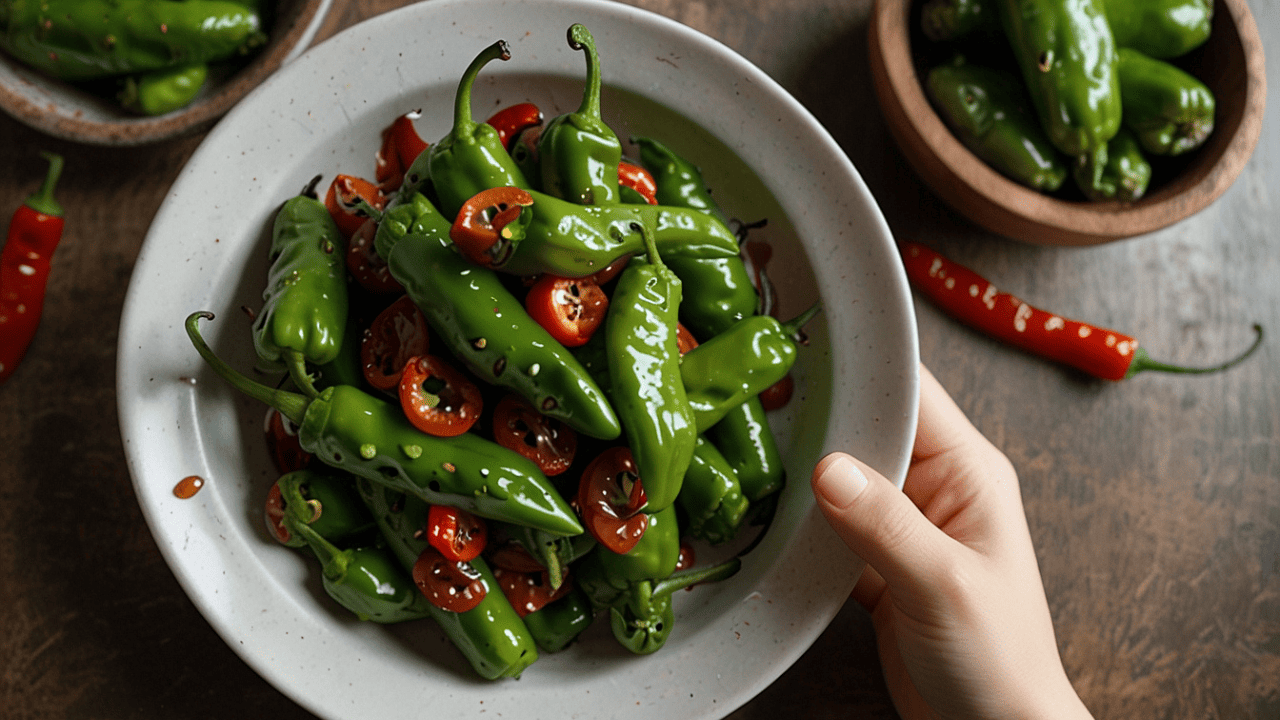
You have most likely played a game of culinary Russian roulette when you are ordering a bunch of blistered green peppers at an izakaya or one of the hot young tapas bars. I recall the way I had first tasted them; I took three savory and mild peppers in my mouth successively in a back-to-back fashion figuring that I had figured it out. Then the fourth–a sudden sharp gust of hot, and I grabbed my water-glass, and beheld my friends laughing.
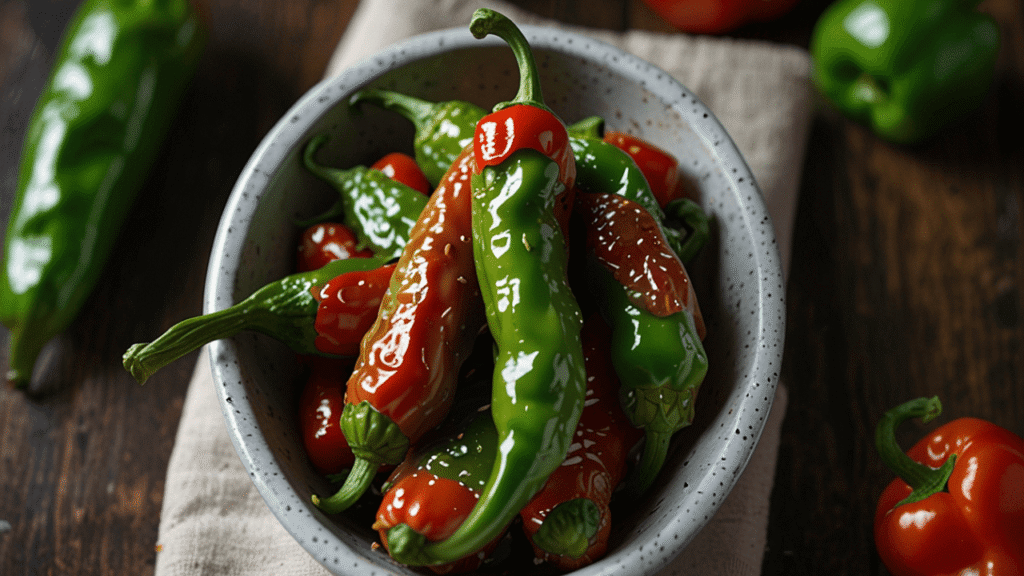
The witchcraft of Shishito peppers. They are scrawny, brown green and are usually mild except that there is a hitch, one in every ten packs of peppers has a hot pang. It is not a great fire, it is just enough to bring you on your feet. Being a heat-seeker or in need of healthy and addictive snacking, that is why you should learn how to cook these East Asian peppers which are obligatory to any domestic cook.
Unlocking the Heat: Shishito Pepper Scoville Facts
The heat of this vegetable is also of significance to have the capacity to enjoy this vegetable without fear. We are at the extreme end of the scale of heat when we are discussing the Shishito pepper Scoville rating. Most Shishitos are 50-200 Scoville Heat Unit (SHU). According to this view, the average Jalape ranges between 2,500 and 8,000 SHU. These peppers are more of a bell pepper than a habanero for the most part.
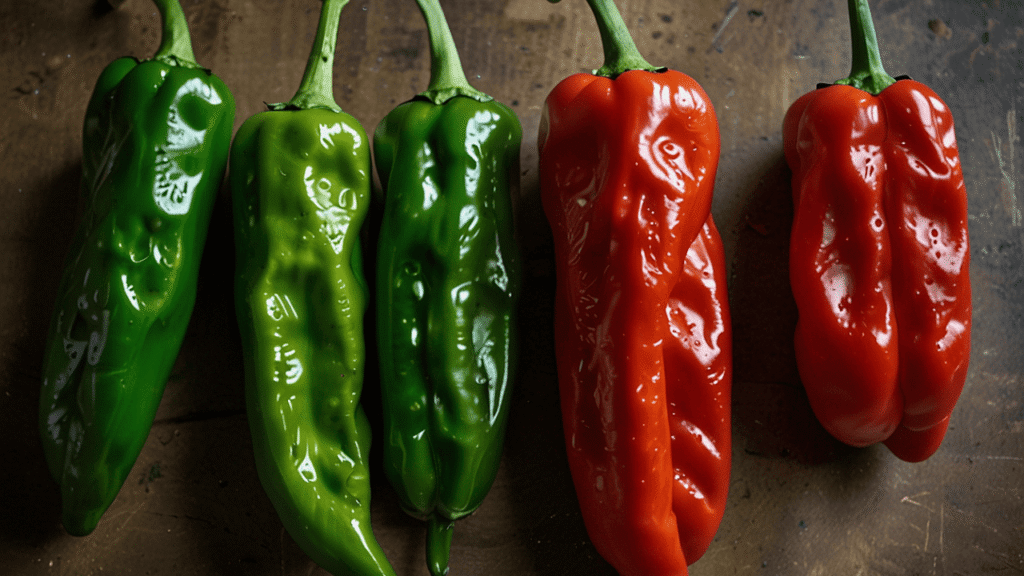
The rule of one in every ten is, however, a reality. The individual peppers do contain more capsaicin because of some factors including being exposed to the sun and stress during the growth. Those rogue peppers can jump into heat and in some instances shock the customer. This is what makes them a good snack during dinner. You are not a vegetable server that talks to start a conversation. It has a purely grassy flavor profile and is slightly sweet with an unbelievable savory flavor when charred.
Sourcing the Best: Where to Buy Shishito Peppers
These aged jewels were difficult to find a few years ago and only in the premium Asian grocers. It is another world in the modern world. Where do you find the Shishito peppers? The first place to start is your local farmers’ market when it is in season, which is during the summer months. Local peppers are also fresher and stiffer more frequently and also crispy and brighter.
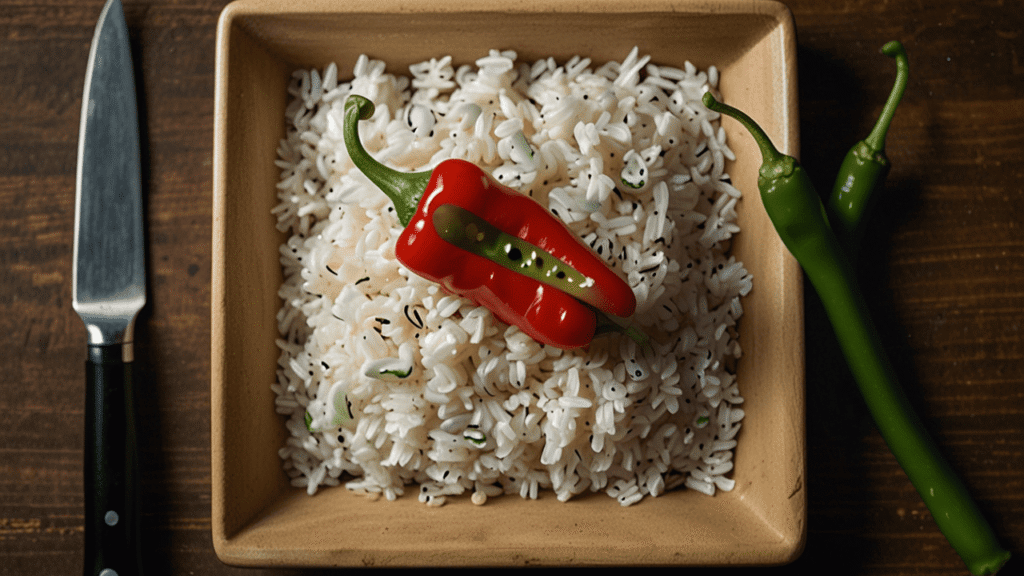
To last all year, they are frequently stocked in the produce section of large groceries like Whole Foods, Trader Joe, and other large Asian stock groceries (including H-Mart). When choosing your batch you would like to have the bright green hard ones, their wrinkled look is something natural, it is their business, but they should never be soft or greasy. Whenever you find any already orange or red, do not take them, unless you want the heating sweeter and milder, though the usual way of doing it nearly always requires the use of the green.
Professional Advice: One should not be afraid of ugly produce. The older the Shishito is, the more it must receive the char and retain the dipping sauce!
Crispy Perfection: The Shishito Peppers Air Fryer Method
And we are all simply convenient people. The fact of the matter is that it is not necessarily pleasant to stand over a smoking cast-iron stove on a Tuesday night, and you have to air fry the Shishito peppers. My new favorite has been to prepare me a quick meal that is a no mess meal and resembles the restaurant type of blister with the art of making the kitchen smell cigarette like.
All you need to do is to chop your rinsed dry peppers, and toss them into a little amount of neutral oil (avocado or grape seed oil is preferable) and a little salt. Set your air fryer to 400 deg F (200degC). The peppers in the basket should be in the single layer–they will simply steam, rather than roast. Bake for 6-8 minutes, stirring the basket halfway. After that scalded, flaked flesh you are seeking. The circulating air in the air fryer only makes the skin swell and burn and the inside tender in an extremely effective way. It is fast, routine and there is no way to fail at it.
| Feature | Shishito Pepper | Padrón Pepper | Jalapeño Pepper | Green Bell Pepper |
| Origin | East Asia (Japan) | Spain | Mexico | Americas |
| Heat Level (Scoville) | 50 – 200 SHU (Mild) | 500 – 2,500 SHU (Variable) | 2,500 – 8,000 SHU (Medium) | 0 SHU (No Heat) |
| Flavor Profile | Grassy, smoky when charred, slightly sweet. | Earthy, nutty, savory. | Vegetal, bright, distinct spicy kick. | Sweet, watery, crisp. |
| Skin Texture | Thin, wrinkled, tender. | Slightly thicker, bumpy. | Thick, smooth, crunchy. | Very thick, smooth, crunchy. |
| Best Culinary Use | Blistered whole, tempura, stir-fry. | Tapas, grilled whole in oil. | Salsas, stuffing (poppers), pickling. | Salads, stuffing, fajitas. |
| “Roulette” Factor? | Yes (1 in 10 is spicy). | Yes (Some are quite hot). | No (Consistently spicy). | No (Never spicy). |
Beyond the Basics: classic Shishito Peppers Recipes.
The air fryer is convenient but the traditionalists will argue that it cannot be substituted with a hot pan. Most of the traditional Shishito peppers recipes are founded on the low-heat and low-ingredient. It is intended to blister the skin in the shortest time possible to add the smoky flavor to the skin and keep the pepper fresh.
With the stove-top a heavy cast-iron skillet must be employed. Get it blistering–until you can smell the smoke. The peppers should not be tossed in the pan but in the oil. Place them in the skillet, and leave to stew for a minute or two. You want them to scorch. Stir, scald again and then sprinkle with flaky sea salt.
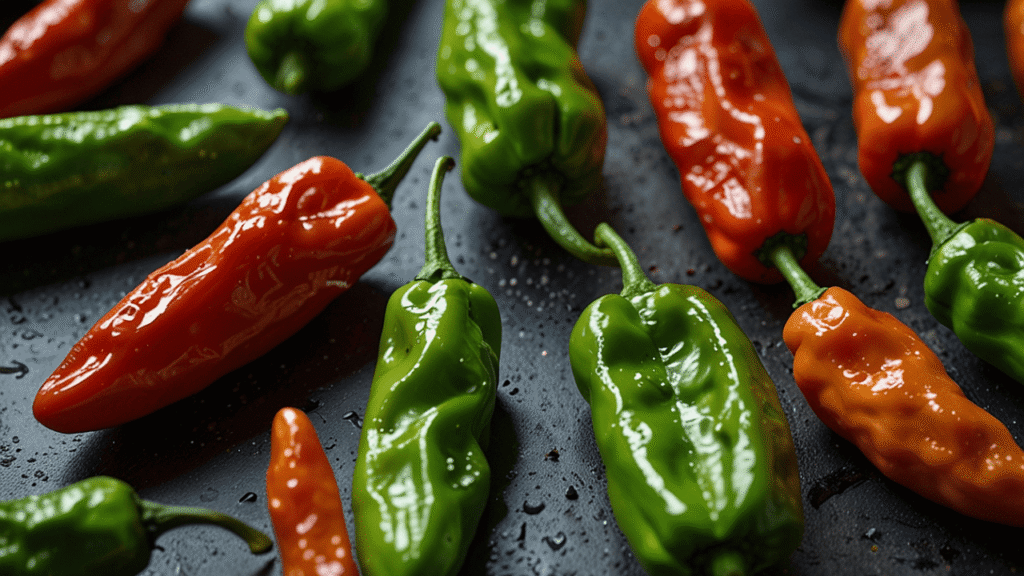
You can tempura Shishitos when you are adventurous. The pepper is coated with a thin skin that is opposed to the light batter. Or the other great substitute is that they may be cut in rings and stir-fried or an omelet. They have thin walls thus they cook instantly, a nice gesture that does not take the bell peppers the time that it takes to prepare it.
The Finishing Touch: Shishito Peppers Sauce Pairings
A people naked and blistered is good but when it is dipped in the right sauce, it becomes a fine meal. And in this particular instance, in which you are preparing a Shishito peppers sauce, you are going to be required to offset the savory and smoky flavor of the burnt skin using acidic or creamy.
The blend I enjoy the most is a citrusy ponzu. Oil is reduced to acid. You can stir in a little soy sauce with yuzu juice or lemon juice and a little sesame oil. To smooth out the potential spiciness of that one in ten pepper, which is more your idea, prepare a garlic aioli or a spicy mayo (add a little Sriracha or togarashi to the mayonnaise).
To make it a little savory, the hot peppers should be put into a mixture of bonito flakes and soy sauce at once. The bonito flakes are flirting and the hits of umami are hard to resist by the fire. The secret which lies here is to prepare the sauce simple. You do not aim to overpower the pepper but to make it finer and grassier.
Final Thoughts
Shishito peppers are no longer treated as a niche ingredient in the Japanese repertoire of appetizers but rather as a widely used ingredient in kitchens all over the world and with reason. They are low effort, high reward and provide a touch of fun and surprise that can hardly be claimed in other vegetables.
You can put them in the air-fryer and have a quick and healthy snack, or sear them in the cast-iron skillet and have them as a side dish at a dinner party; and you can hardly go wrong. And do not forget to get something cool–you never know when you will find that hot exception!
Frequently Asked Questions About Shishito Peppers
1. Why is one random Shishito pepper spicy while the others are mild?
This is the most common question I get! It essentially comes down to stress. Factors like sunlight exposure, water levels, and pepper age can increase capsaicin production in individual pods. It’s widely believed that about one in every ten to twenty peppers will carry a noticeable kick, turning your snack into a fun culinary game of chance.
2. Can you eat Shishito peppers raw?
Technically, yes, you can eat them raw. They have a crisp, grassy flavor similar to a green bell pepper but with thinner skin. However, I highly recommend cooking them. Blistering or charring the skin releases a smoky sweetness and softens the texture, which significantly enhances their flavor profile compared to eating them raw.
3. Should I remove the seeds before eating?
Not at all! Unlike jalapeños or bell peppers, the seeds inside a Shishito are very tender and soft. The walls of the pepper are also quite thin, so there is no need to deseed or core them. You can eat the entire pepper whole—just hold it by the stem and bite the rest off!
4. Are Shishito peppers the same as Padrón peppers?
They are cousins, but not twins. Padrón peppers hail from Spain and are slightly nuttier and earthier in flavor, while Shishitos are East Asian and tend to be a bit brighter and glossier. Both share the “roulette” trait where occasional peppers are spicy, though Padróns can sometimes pack a harder punch than Shishitos.
5. How long do fresh Shishito peppers last in the fridge?
If stored correctly, fresh Shishito peppers will last about two weeks in the refrigerator. To keep them fresh, store them in the crisper drawer inside a paper bag or a breathable produce bag. Avoid washing them until you are ready to cook, as excess moisture will cause them to rot or get slimy much faster.